The Hidden Dangers of Improper Septic Tank Maintenance
For many homeowners, a septic system is easy to forget because it works quietly underground. But when a septic tank is neglected, the consequences can surface quickly—and they can be expensive, unhealthy, and environmentally damaging. Improper septic tank maintenance can lead to sewage backups, contaminated water, foul odors, property damage, and costly repairs that could often be avoided with routine care.
Why Septic Maintenance Matters
A septic system treats household wastewater from toilets, sinks, showers, dishwashers, and laundry. In a properly functioning system, solids settle in the tank, oils and grease float to the top, and partially treated wastewater flows into the drainfield where soil helps filter contaminants. When a tank is not inspected or pumped regularly, sludge and scum can build up and move into the drainfield, clogging the system and reducing its ability to treat wastewater safely.
Health Risks from Sewage Exposure
One of the most serious dangers of a poorly maintained septic tank is exposure to untreated or insufficiently treated sewage. Household wastewater can contain disease-causing bacteria, viruses, and nutrients that may threaten human and animal health. If a septic system fails, sewage may back up into the home, surface in the yard, or move toward nearby water sources. Contact with contaminated water can increase the risk of gastrointestinal illness and other infections, especially for children, older adults, and people with weakened immune systems.
Groundwater and Well Contamination
Failing septic systems can contaminate groundwater and nearby surface water. This is especially concerning for homes that rely on private wells. If wastewater is not treated properly, contaminants such as bacteria, viruses, nitrates, and household chemicals may reach drinking water supplies. Because private wells are typically the homeowner’s responsibility, a septic failure can create a hidden water safety problem long before obvious signs appear.
Environmental Damage
Improper septic maintenance does not only affect one property. When nutrients and pathogens escape from a failing system, they can enter streams, lakes, wetlands, and coastal waters. Excess nutrients may contribute to algae growth and lower oxygen levels in water, harming fish, plants, and other aquatic life. In some areas, septic pollution can also affect swimming areas, shellfish beds, and local ecosystems.
Costly Repairs and Property Damage
Routine septic maintenance is far less expensive than emergency repair or replacement. When solids clog the drainfield, the system may require major repairs, excavation, or full replacement. A failing system can also damage landscaping, create soggy or unusable areas of the yard, and reduce property value. For homeowners planning to sell, septic problems can delay a sale or create legal and financial complications.
Common Warning Signs of Septic Trouble
· Slow drains or frequent plumbing backups
· Gurgling sounds in pipes or toilets
· Sewage odors indoors or outdoors
· Wet, spongy, or unusually green areas over the drainfield
· Standing water near the tank or drainfield
· Sewage backing up into sinks, tubs, or toilets
Why an Inspection Matters—Whether You’re Buying, Selling, or Just Curious
A septic inspection is important no matter where you are in the ownership process. If you are buying a home, an inspection helps you understand what you are taking responsibility for before closing. If you are selling, it can help you disclose the system’s condition honestly, avoid last-minute surprises, and give buyers more confidence. And if you already own the home and are simply curious about how the system is functioning, an inspection can reveal hidden issues before they become emergencies.
A proper inspection can go beyond whether drains appear to be working. It may identify the tank location, check sludge and scum levels, evaluate inlet and outlet baffles, look for cracks or deterioration, assess the drainfield area, and confirm whether wastewater is moving through the system as intended. This matters because a system can appear normal from inside the home while key parts underground are damaged, missing, or close to failure.
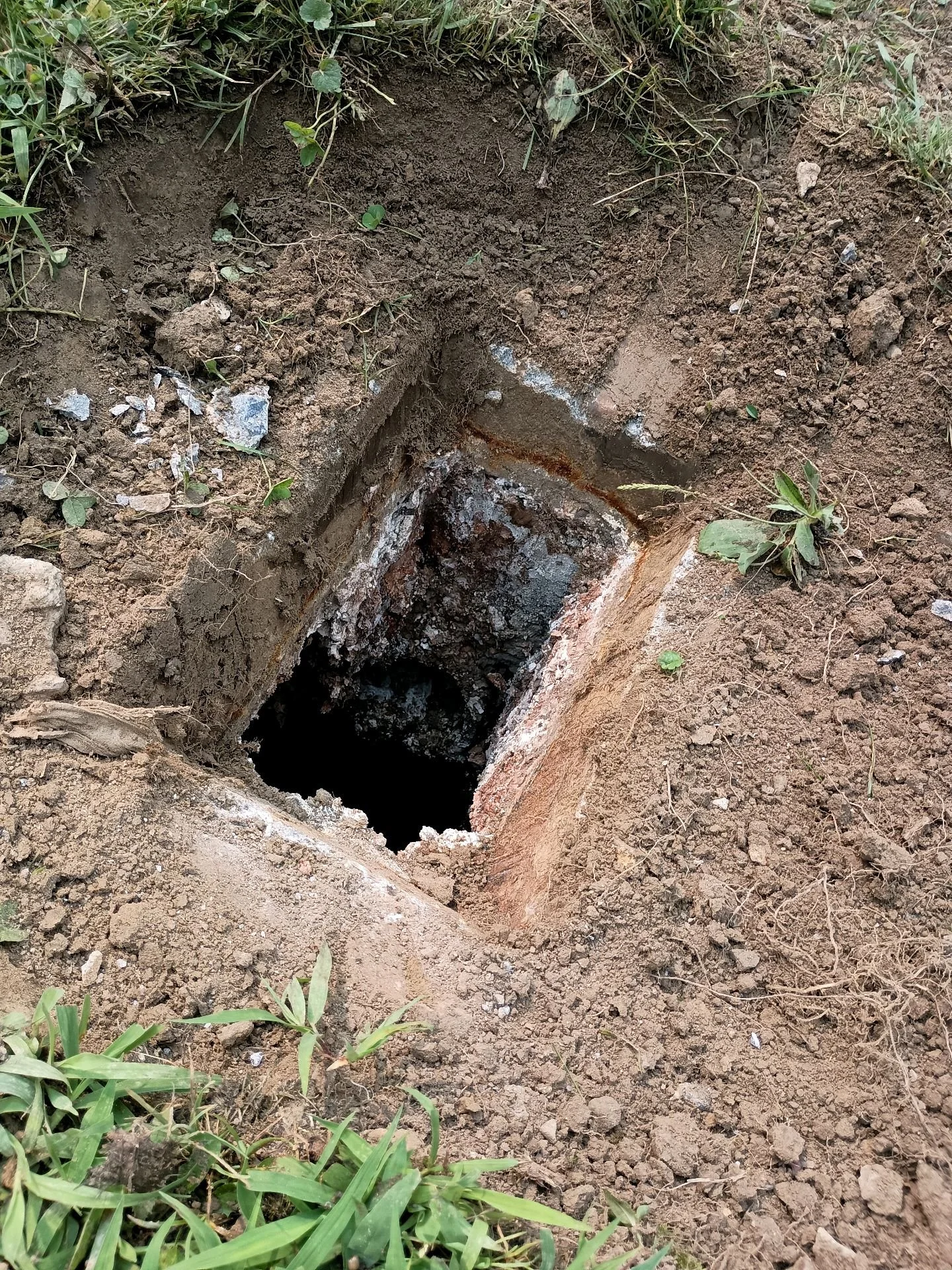
The concrete outlet baffle in this tank deteriorated and collapsed to the bottom of the tank. A simple dye test would not reveal this defect.
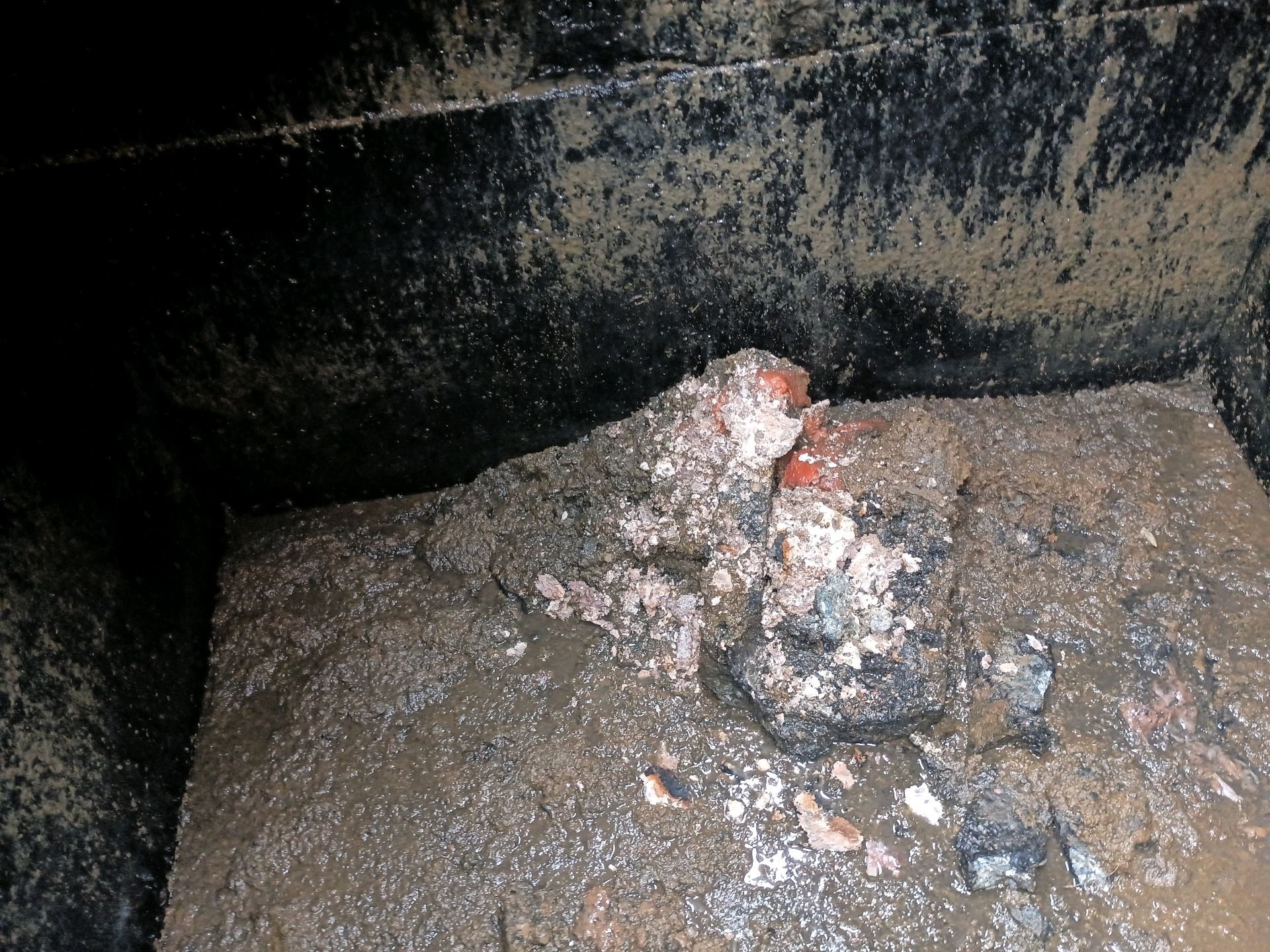
Remnants of a deteriorated outlet baffle in the bottom of the septic tank.
It is also worth understanding the limits of septic dye testing. A dye test may show that water travels from one point to another, but it does not prove that the tank, baffles, drainfield, or overall system are in good condition. For more detail, read these articles: The Dye Test Myth & What type of Septic Inspection is right for you
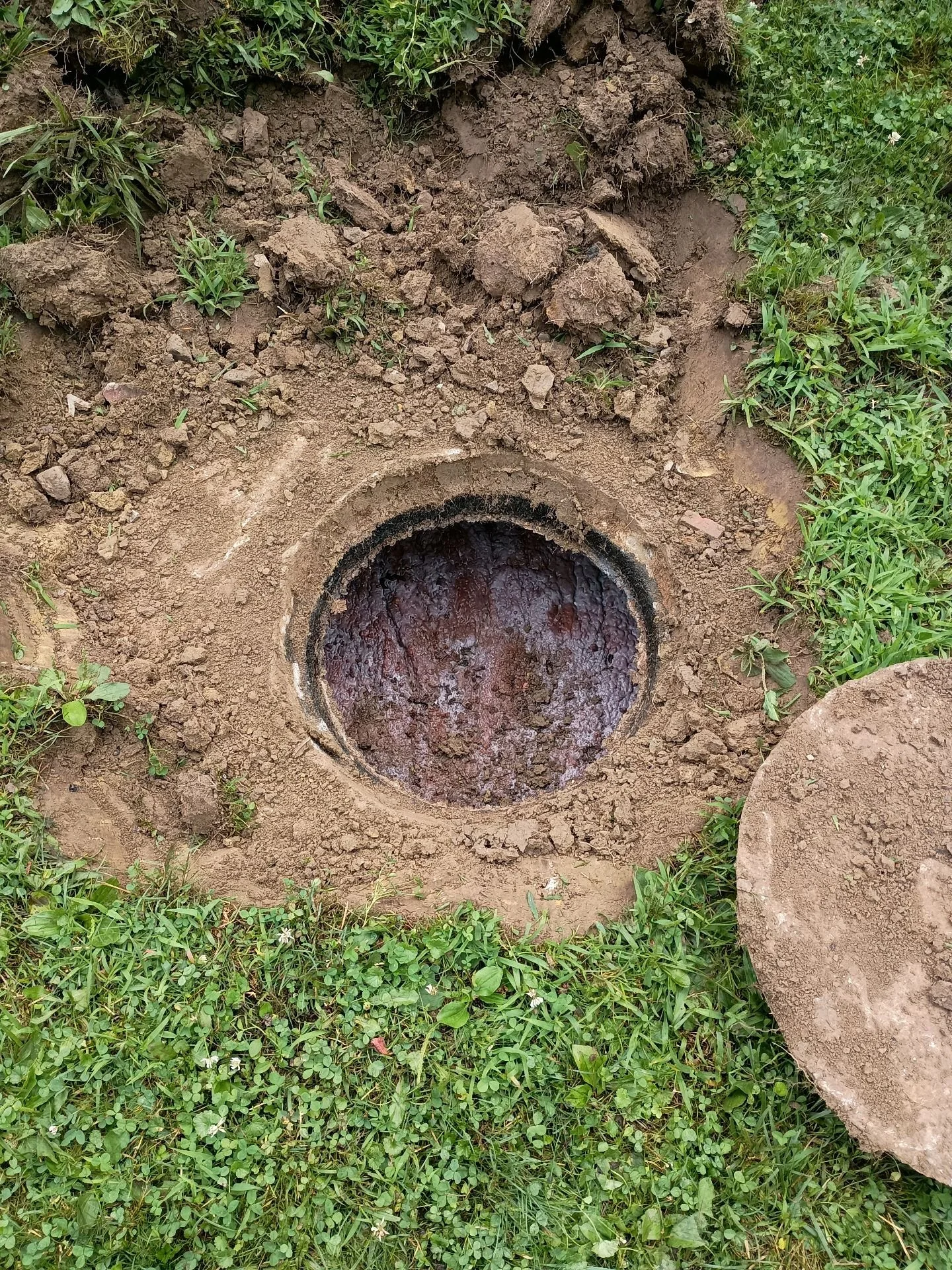
This tank should have been pumped long ago. The volume of solids was approaching 50% and tanks should be pumped when solids take up 25-30% of the tank volume. Another defect a simple dye test can’t uncover.
How to Prevent Septic System Failure
Preventing septic problems begins with consistent maintenance and smart daily habits. Homeowners should have the system inspected by a qualified professional on a regular schedule and pump the tank when needed. Many household septic tanks are pumped every three to five years, though the right schedule depends on tank size, household size, water use, and the amount of solids entering the system.
· Use water efficiently and repair leaks quickly.
· Never flush wipes, feminine hygiene products, diapers, paper towels, grease, medications, or harsh chemicals.
· Keep vehicles, heavy equipment, patios, and structures off the drainfield.
· Direct roof drains, sump pumps, and excess stormwater away from the drainfield.
· Keep accurate records of inspections, pumping, repairs, and system layout.
· Contact a septic professional at the first sign of malfunction.
The Bottom Line
A septic tank may be out of sight, but it should never be out of mind. Improper maintenance can put your family’s health, drinking water, property, and local environment at risk. The good news is that most septic problems are preventable. With regular inspections, timely pumping, careful water use, and responsible disposal habits, homeowners can extend the life of their septic system and avoid the unpleasant—and often expensive—consequences of failure.
