
How to Find Your Septic Tank Lid: A Practical Homeowner’s Guide
Can't find your septic tank lid? Learn how to locate it using septic records, sewer lines, yard clues, careful probing, and limited excavation—and when to call a professional.
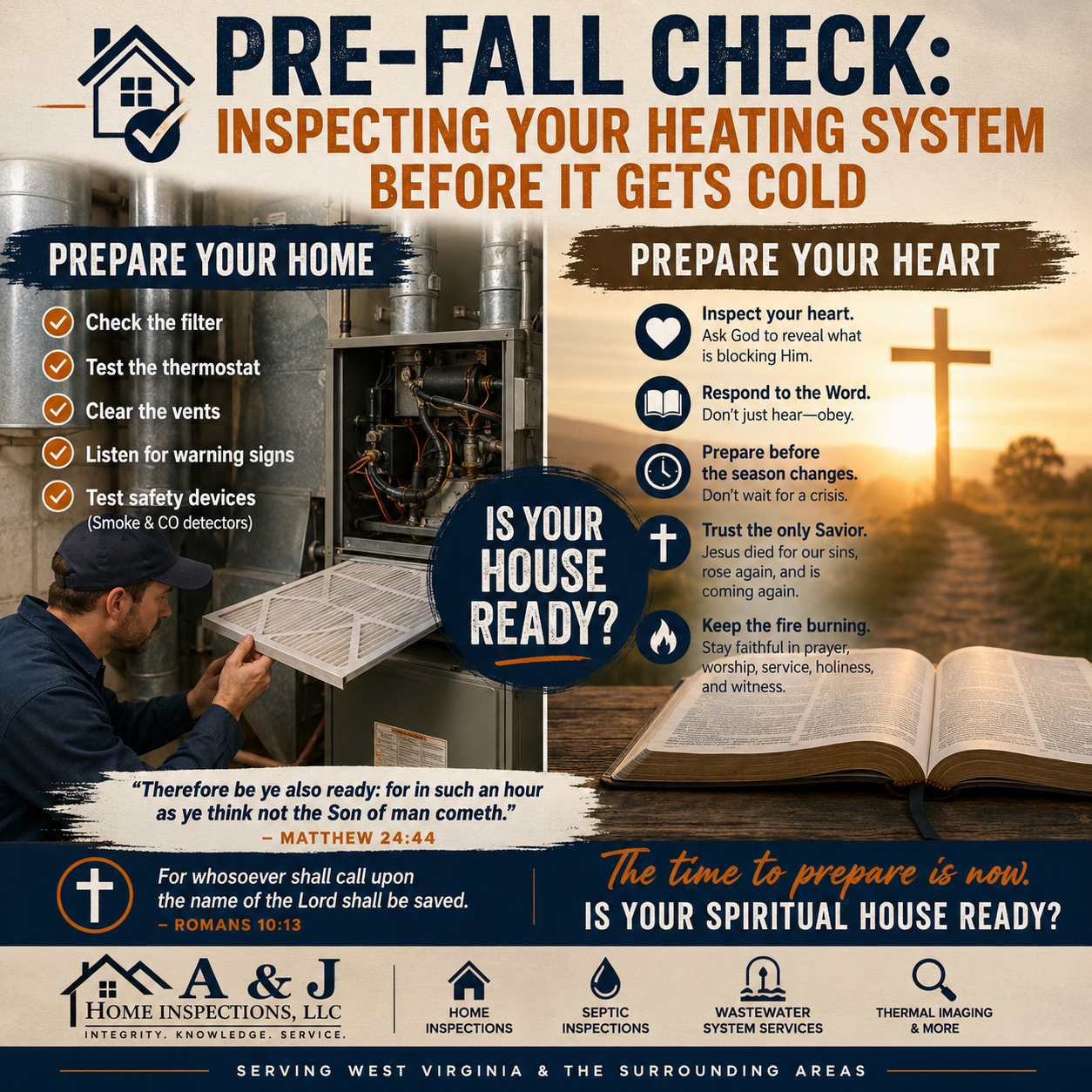
Pre-Fall Check: Inspecting Your Heating System Before It Gets Cold
Prepare your home for colder weather with a pre-fall heating system check. Learn what homeowners should inspect—and what spiritual readiness can teach us about preparing for what lies ahead.

The Toolbox of Faith: 10 Tools Every Homeowner Can Use to Build a Stronger Life
What can a hammer, tape measure, screwdriver, wrench, pliers, drill, level, and stud finder teach us about following Christ? This devotional explores 10 everyday homeowner tools and the spiritual lessons they reveal about responsibility, stewardship, integrity, service, preparation, and building our lives on Christ.
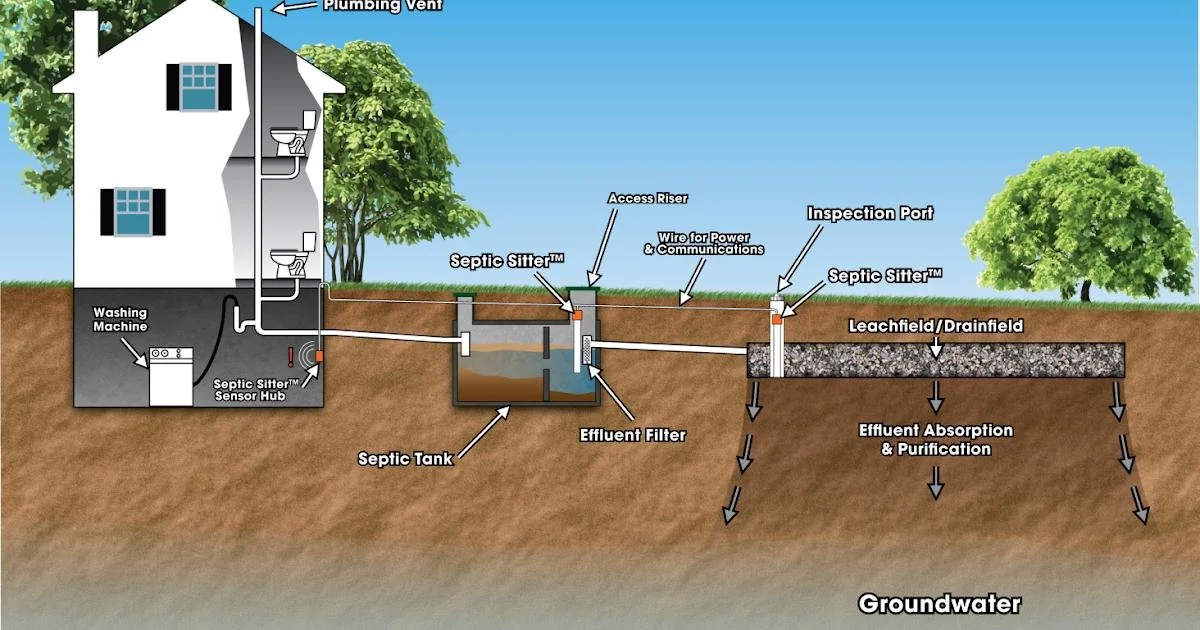
What Is an Effluent Filter for a Septic System—and What Can It Teach Us About a Cleaner Life?
An effluent filter is a small but important part of a septic system that helps protect the drainfield from escaping solids. Learn how septic filters work, why regular maintenance matters, and what this simple system can teach us about spiritual cleansing, faith, and the transforming power of Jesus Christ.


How to Detect Termites During the Summer Months
Learn how to spot common signs of termite activity during the summer, including mud tubes, swarmers, discarded wings, frass, damaged wood, and moisture conditions that can attract termites.

Disaster Victims Need Independent Eyes When Their Home and Finances Are at Stake
When disaster strikes, homeowners are often forced to make fast decisions while dealing with stress, displacement, and uncertainty. Learn why independent documentation, contractor verification, and asking the right questions can help protect your home, finances, and insurance recovery after a fire, flood, storm, or other disaster.
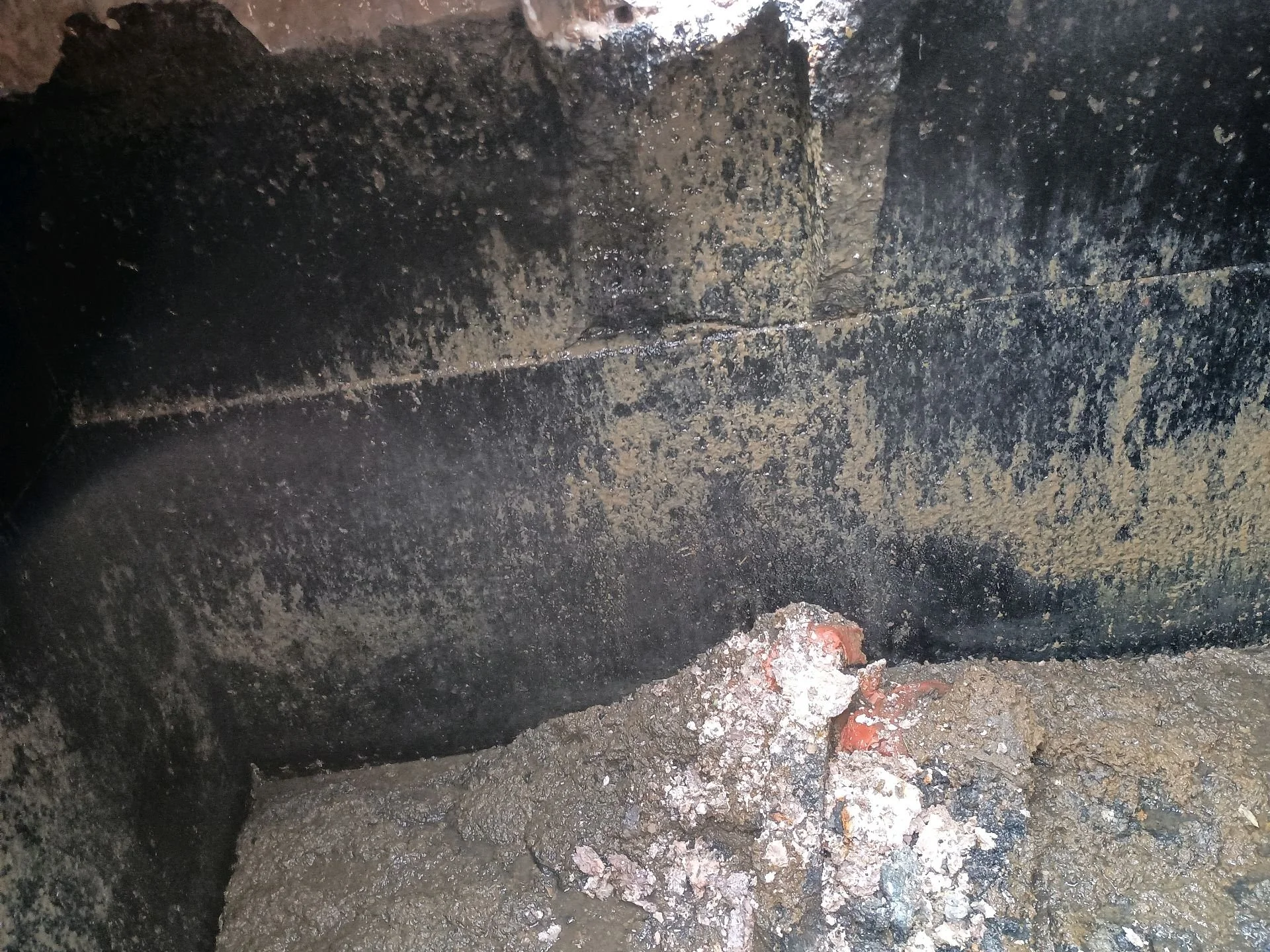
The Hidden Dangers of Improper Septic Tank Maintenance
Improper septic tank maintenance can lead to sewage backups, drainfield failure, groundwater contamination, foul odors, expensive repairs, and health risks from untreated wastewater. Regular inspections and pumping help prevent system failure and extend the life of a septic system.

Happy 250th Birthday, America: A Home Inspector's Letter to Our Nation
As America celebrates 250 years of freedom, a home and septic inspector reflects on the importance of strong foundations, faith, responsibility, and the values that have helped our nation endure every storm.
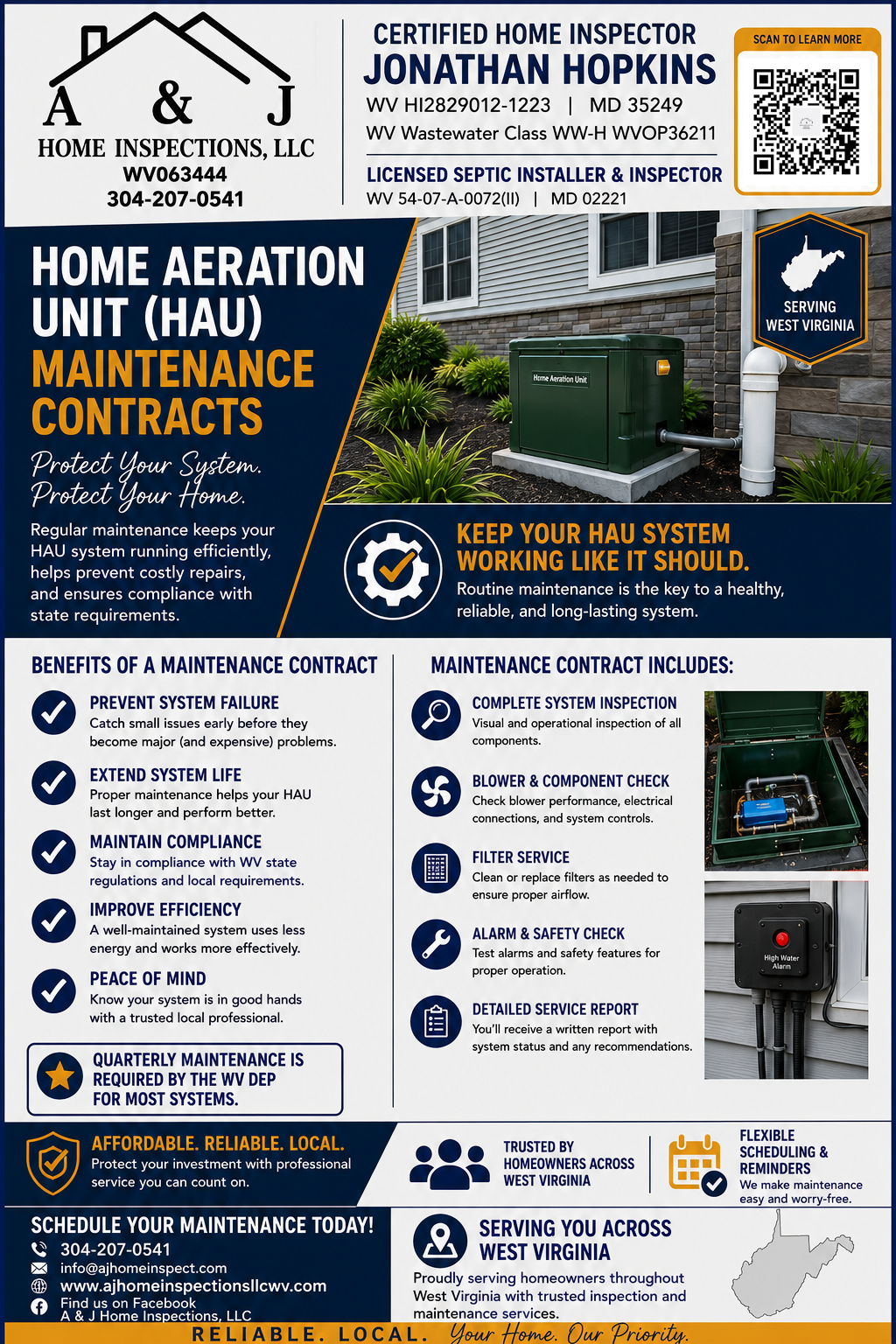
Home Aeration Units in West Virginia: What Homeowners Need to Know About Required Maintenance
Home Aeration Units require regular maintenance to operate safely and efficiently. Learn why West Virginia homeowners need routine HAU service, what a Class H Wastewater Treatment Plant Operator does, and how proper maintenance helps protect your home, your septic system, and the environment.
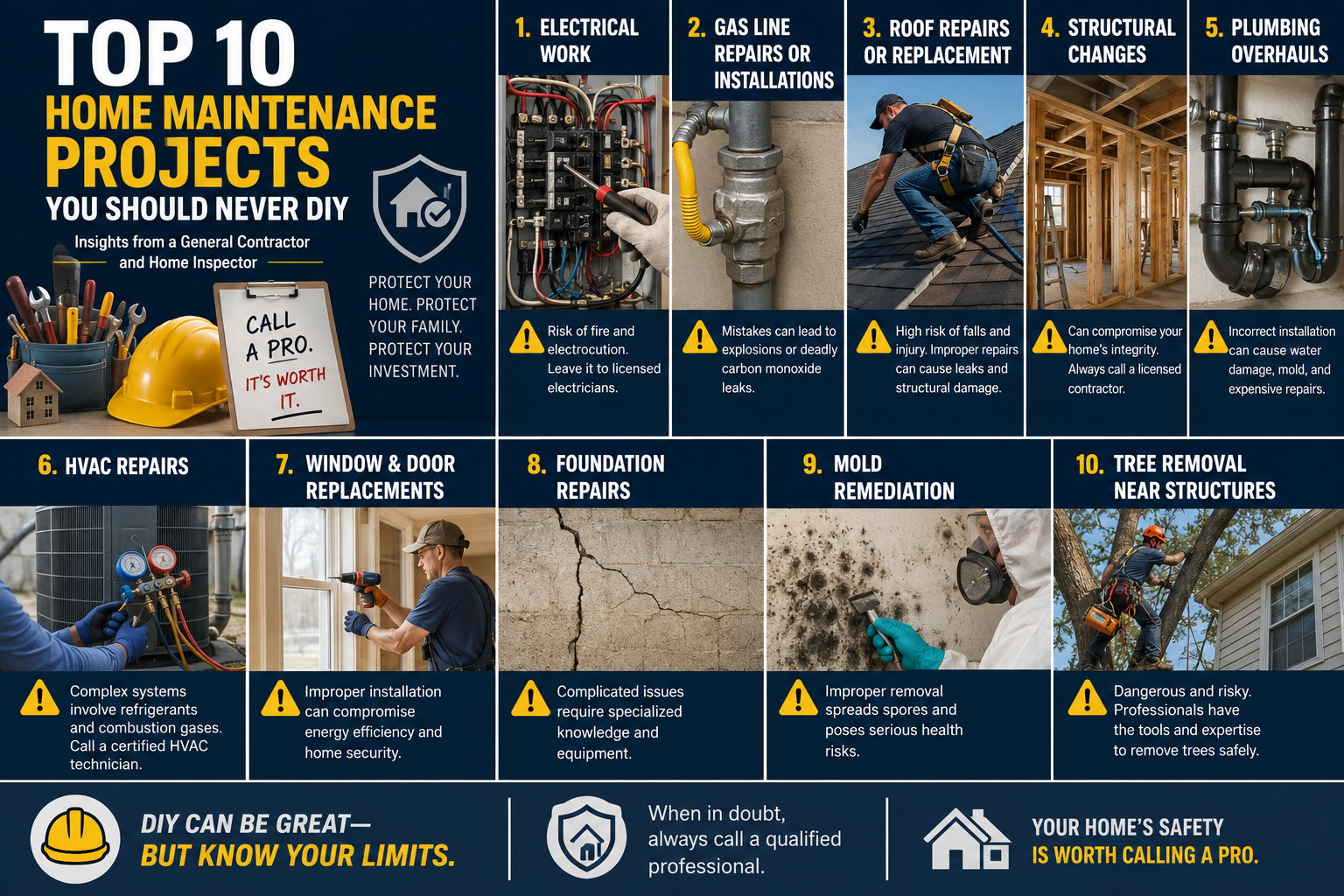
Top 10 Home Maintenance Projects You Should Never DIY: Insights from a General Contractor and Home Inspector
Thinking about tackling a major home repair yourself? Discover the top 10 home maintenance projects that should never be DIY and why hiring a qualified professional can protect your family, your investment, and your home's value.
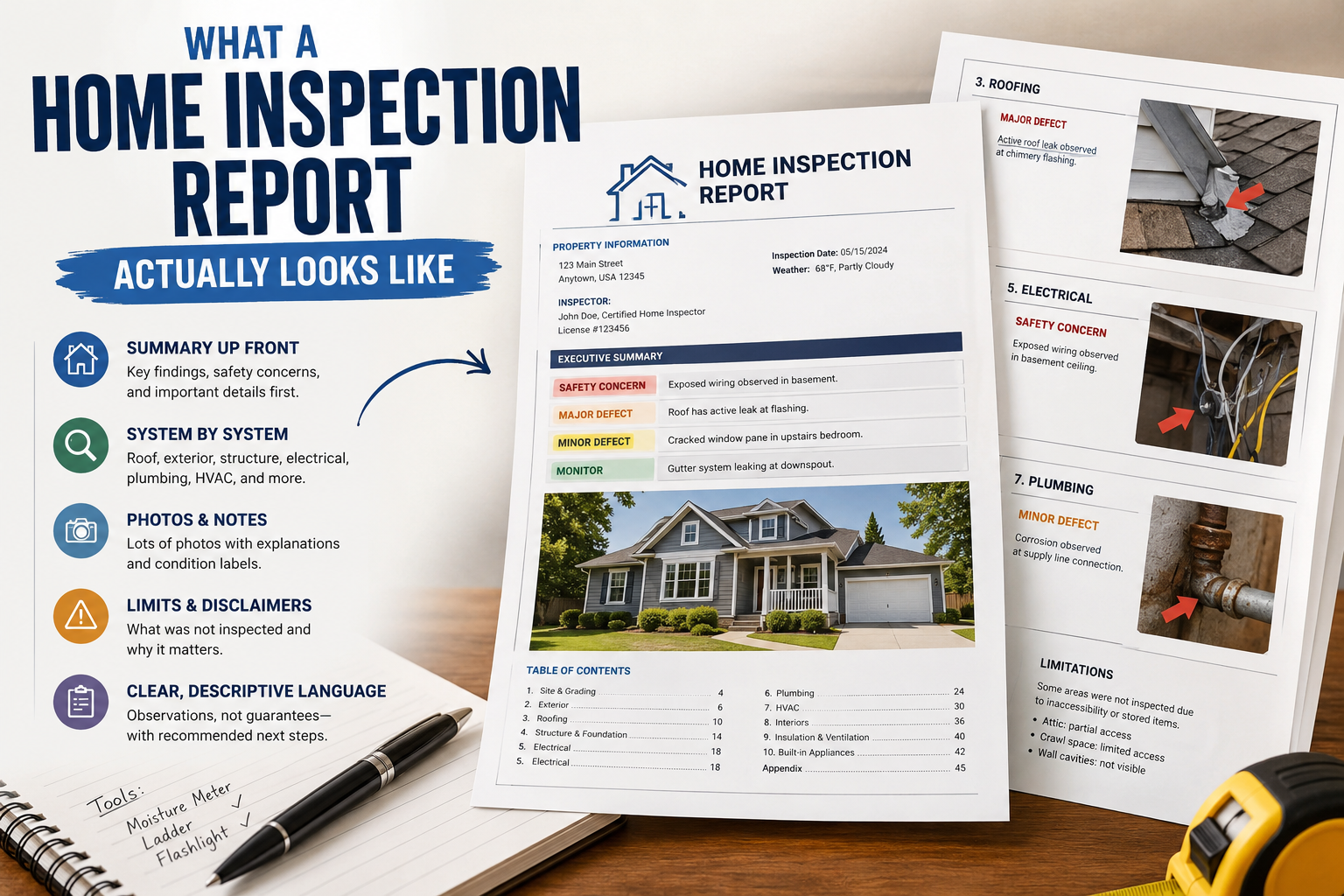
What a Home Inspection Report Actually Looks Like
Learn what a professional home inspection report includes, why it matters, and how regular inspections can help protect your home and insurance claims.
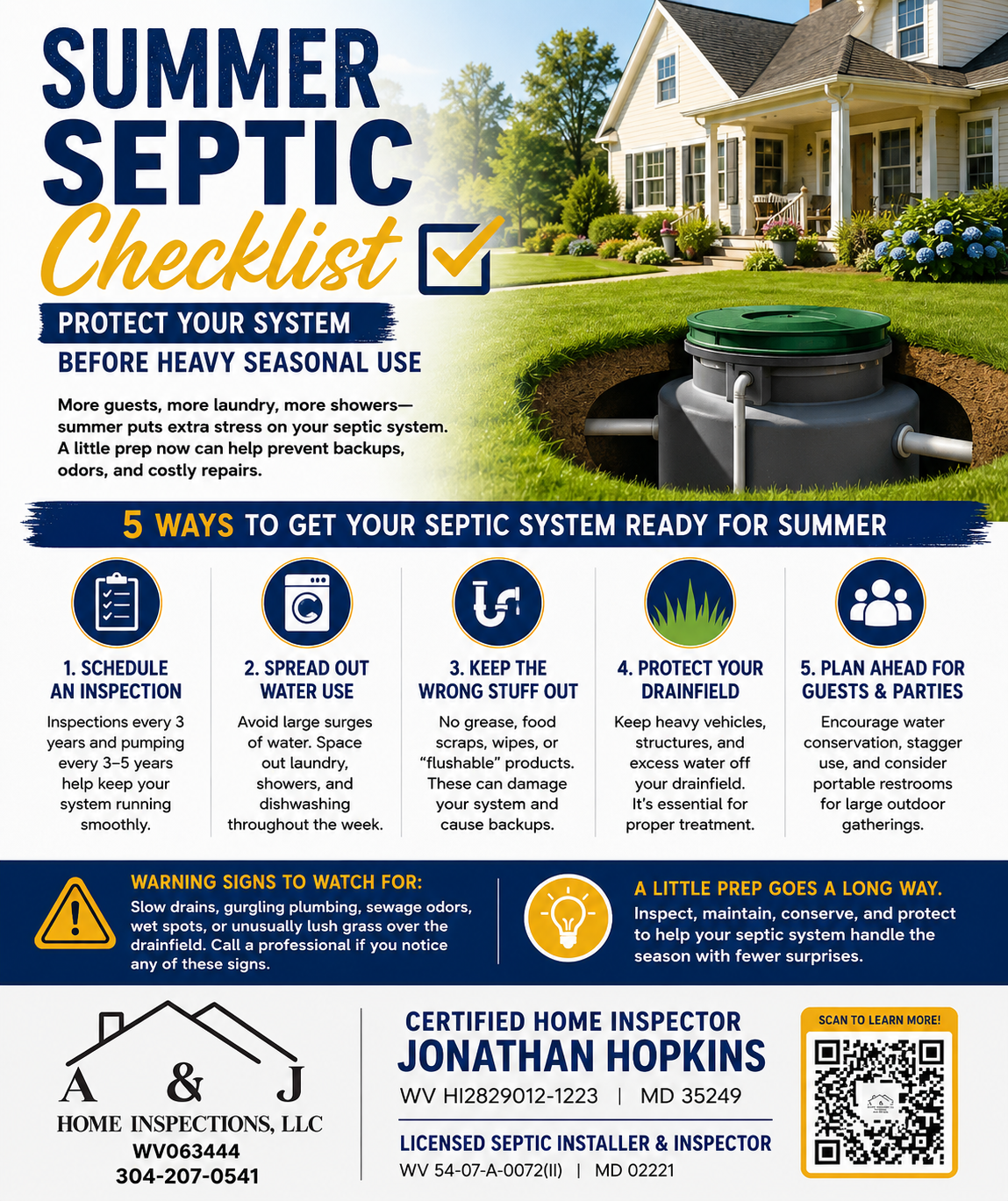
Summer Prep: Setting Up Your Septic System for Heavy Usage Over the Summer
Prepare your septic system for summer with this homeowner’s guide to inspections, water conservation, drainfield protection, and proper maintenance. Learn how to prevent backups, odors, and costly repairs during periods of heavy seasonal use from guests, cookouts, increased laundry, and outdoor activities.

Building Value Before You Sell: Practical Upgrades and a Faith-Filled Perspective
Preparing your home for sale doesn't have to mean expensive renovations. Discover six simple, budget-friendly updates that can boost curb appeal, impress buyers, increase perceived value, and help your home sell faster. From fresh paint and decluttering to smart kitchen and bathroom improvements, these practical tips will help you make a great first impression while keeping the process stress-free. Plus, explore a faith-filled perspective on wise stewardship, building with purpose, and finding lasting value beyond the sale.
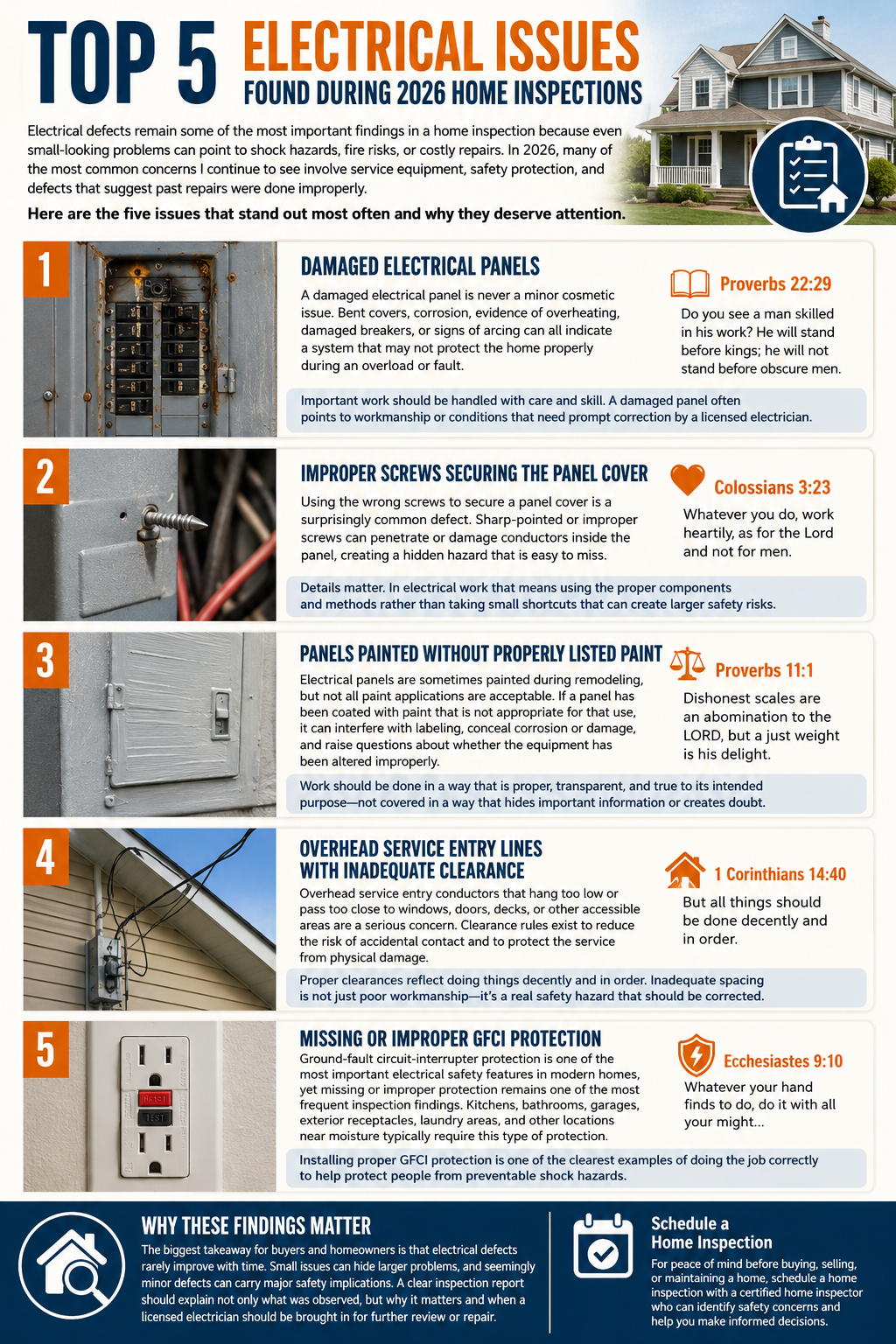
Top 5 Electrical Issues Found During 2026 Home Inspections
Electrical safety issues remain some of the most serious defects uncovered during home inspections in 2026. From damaged electrical panels and missing GFCI protection to unsafe overhead service lines, these common problems can pose major fire and shock hazards. Learn the top five electrical issues home inspectors are finding and why prompt evaluation by a licensed electrician matters.

Why a Home Inspection Matters for Renters: A Practical and Spiritual Perspective
Home inspections are valuable for renters, helping identify safety concerns, document property conditions, and encourage responsible stewardship. Inspired by the floating axe head in Bible and the story of Elisha, this article explores practical and spiritual reasons renters should inspect and care for entrusted property.

May is Deck Safety Awareness Month: Is Your Deck Ready for Summer?
Protect your family and guests this summer with important deck safety tips for homeowners. Learn how to perform a simple deck self-inspection using the NADRA checklist and discover common warning signs of structural damage, loose railings, wood rot, and unsafe deck conditions before your next outdoor gathering.

How to Prepare for a Pre‑Listing Inspection (and Why Sellers Should Consider One)
Reasons why a seller might have a pre-listing home inspection and the ways it could benefit them.
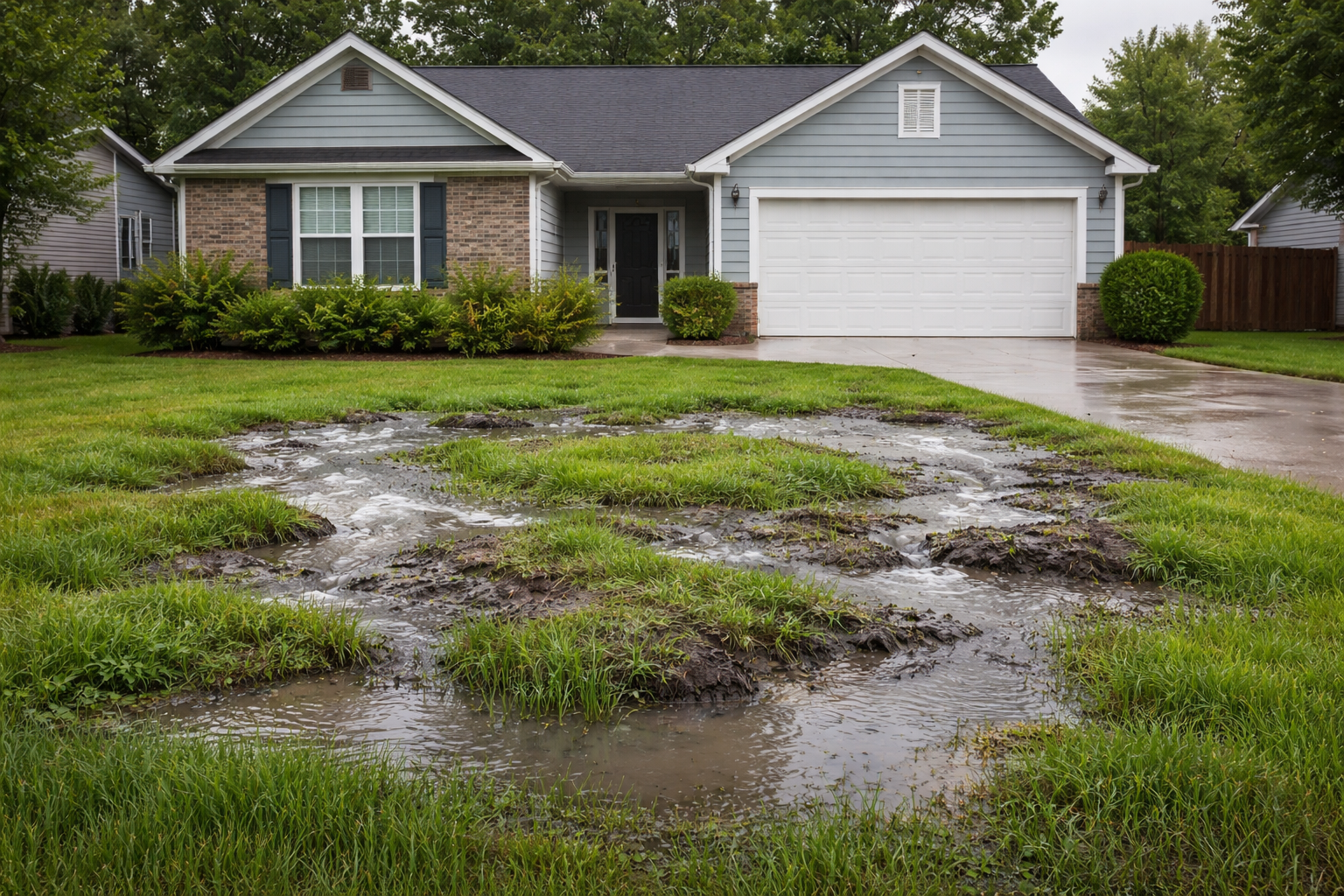
Top 3 Signs Your Septic Drain Field Is Failing (and What to Do Next)
Spot the top signs of a failing septic drain field, including standing water, lush grass patches, and sewage odors—plus practical steps to protect your system and avoid costly repairs.