Cold Weather Safety: A Home Inspector’s Guide to Protecting Your Home, Pets, and Family
Expert Recommendations for Winter Preparedness
As a professional home inspector, I’ve seen firsthand how cold weather can take a toll on homes, pets, and families. While winter offers cozy evenings and fun activities, it also brings risks that can be minimized with a thoughtful approach and expert preparation. Here are my top recommendations for keeping your property, loved ones, and furry friends safe when temperatures drop.
Preparing Your Home Before Winter Sets In
Schedule a Comprehensive Inspection: Before the first frost, have a qualified inspector check your heating system, chimney, roof, insulation, and plumbing. Fixing minor issues now prevents major headaches later. Don’t be stuck among those who have their heat fail in the middle of a blizzard.
Insulate and Seal: Boost attic and crawl space insulation, and seal windows, doors, and pipes to stop drafts and prevent frozen plumbing.
Heating System Maintenance: Replace filters, test thermostats, and schedule a professional service for your furnace or boiler for safe, efficient operation.
Clean Gutters and Downspouts: Removing debris ensures snowmelt drains properly, preventing hazardous ice dams at roof edges.
Check Smoke and CO Detectors: Install fresh batteries and test devices. Winter heating increases carbon monoxide risks. Click here to read: The Importance of Smoke Detectors: Placement, Testing, and Maintenance and/or Click here to read: Protecting your home the vital role of Carbon Monoxide Detectors.
Stock Emergency Supplies: Create a kit with flashlights, batteries, a radio, blankets, water, nonperishable food, and medications.
Protecting Your Home During Cold Weather
Prevent Frozen Pipes:
Insulate exposed pipes in unheated areas with foam sleeves.
Seal gaps where cold air enters near pipes.
Let faucets drip during extreme cold to keep water moving.
Know your main water valve’s location for quick shutoff.
Avoid Ice Dams:
Ensure attic insulation and ventilation are sufficient.
Carefully clear roof-edge snow with a roof rake from the ground.
Hire professionals for ice dam removal—DIY methods could damage the roof.
Heating Safety:
Keep space heaters away from flammable items; never leave them unattended.
Use fireplaces and wood stoves with proper venting and regular chimney cleaning.
Operate portable generators outside, far from windows, following manufacturer guidelines.
Prevent Slips and Falls:
Clear walkways of snow; use sand or ice melt safe for your landscaping.
Install sturdy handrails on outdoor steps.
Prepare for Power Outages:
Keep alternate light sources and battery backups ready for essential devices.
Consider professionally installed surge protectors and generators if outages are common.
Caring for Pets in Winter
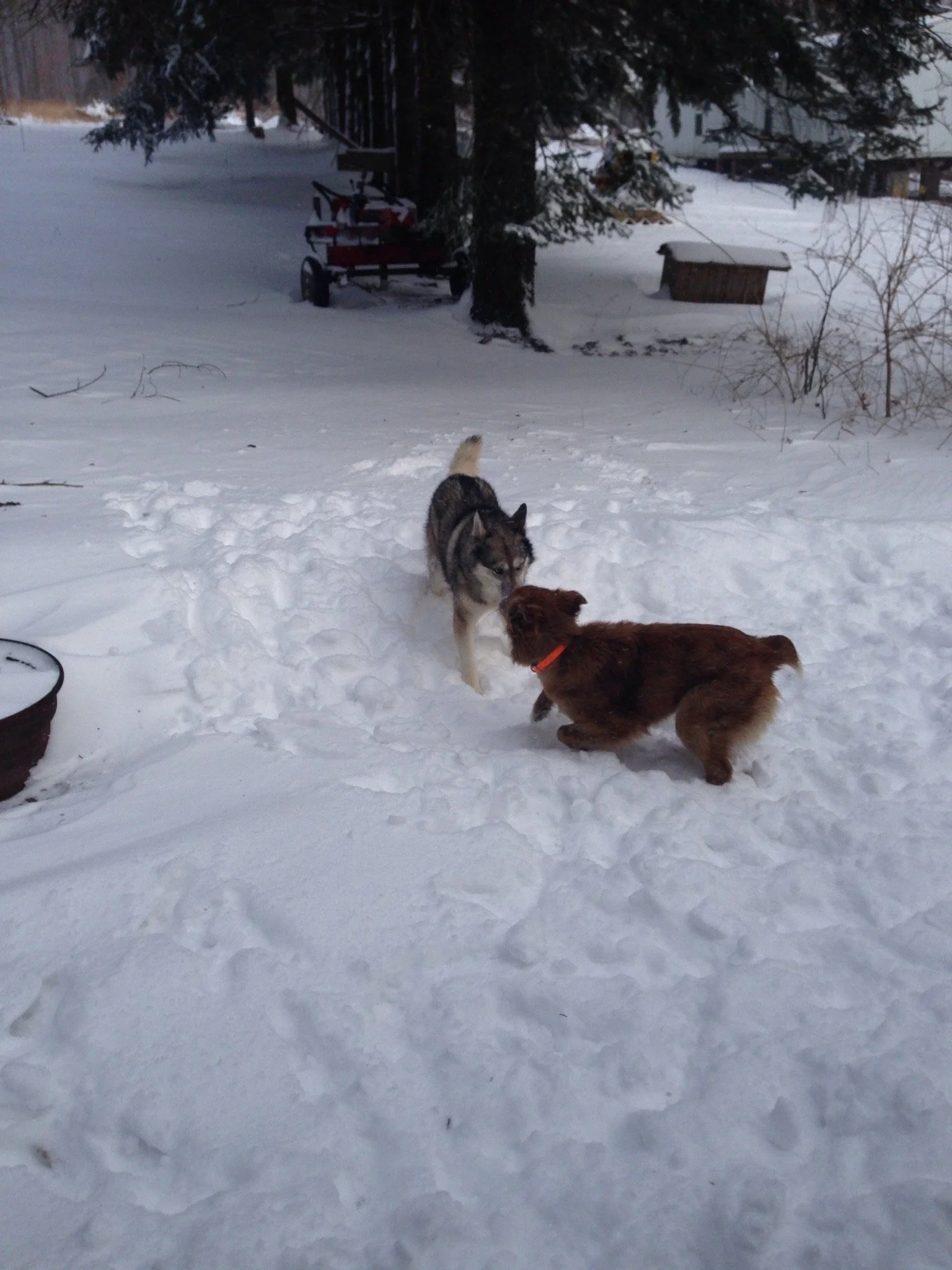
Limit Outdoor Exposure: Short-haired, young, elderly, or small pets lose heat quickly. Keep outdoor time brief and always provide shelter.
Provide Proper Shelter: Outdoor animals need insulated, raised housing with dry bedding and a small door to conserve warmth.
Protect Paws: Ice melt and chemicals can irritate. Wipe paws after walks and use pet-safe deicers. Booties help on longer outings.
Monitor for Cold Stress: Shivering, slowed movement, or whining mean your pet needs to warm up immediately.
Update ID and Microchip Information: With winter storms and travel, ensure tags and microchips are current in case pets get lost.
Food and Water: Ensure water bowls don’t freeze. Pets may need more calories; consult your veterinarian before making changes.
Keeping Your Family Safe and Comfortable
Dress for Safety: Wear layers: moisture-wicking base, insulating middle, and windproof outer. Hats and gloves are essential.
Choose Proper Footwear: Use slip-resistant shoes or boots during icy conditions.
Prevent Hypothermia and Frostbite:
Watch for confusion, slurred speech, or severe shivering (hypothermia).
Look for numbness, pale or waxy skin (frostbite).
Move affected individuals to warmth and seek medical care if necessary.
Travel Safely:
Keep an emergency kit in your vehicle: blankets, warm clothes, jumper cables, ice scraper, shovel, flashlight, water, snacks, and first-aid supplies.
Keep your gas tank at least half full to avoid freeze-ups and ensure you can run the heater if stranded.
Follow local travel advisories and avoid unnecessary trips during storms.
Space Heater and Fireplace Safety: Always follow manufacturer guidelines, keep flammable items away, and never leave devices unattended.
Final Thoughts from Your Home Inspector
Winter doesn’t have to mean constant worry about your home, pets, and family. With these best practices, you’ll be well-prepared for whatever the cold season brings. If you haven’t scheduled a home inspection yet, consider doing so soon—peace of mind is the best protection of all.
