Top 10 Home Maintenance Projects You Should Never DIY: Insights from a General Contractor and Home Inspector
Your Safety and Your Home’s Safety is Worth Calling a Pro
As a general contractor and certified home inspector, I’ve seen firsthand the results of well-intentioned homeowners taking on projects that are best left to professionals. While DIY spirit is great for painting a bedroom or assembling furniture, some tasks are simply too risky or complex for even the most enthusiastic do-it-yourselfer. Here are the top ten home maintenance projects you should never attempt on your own:
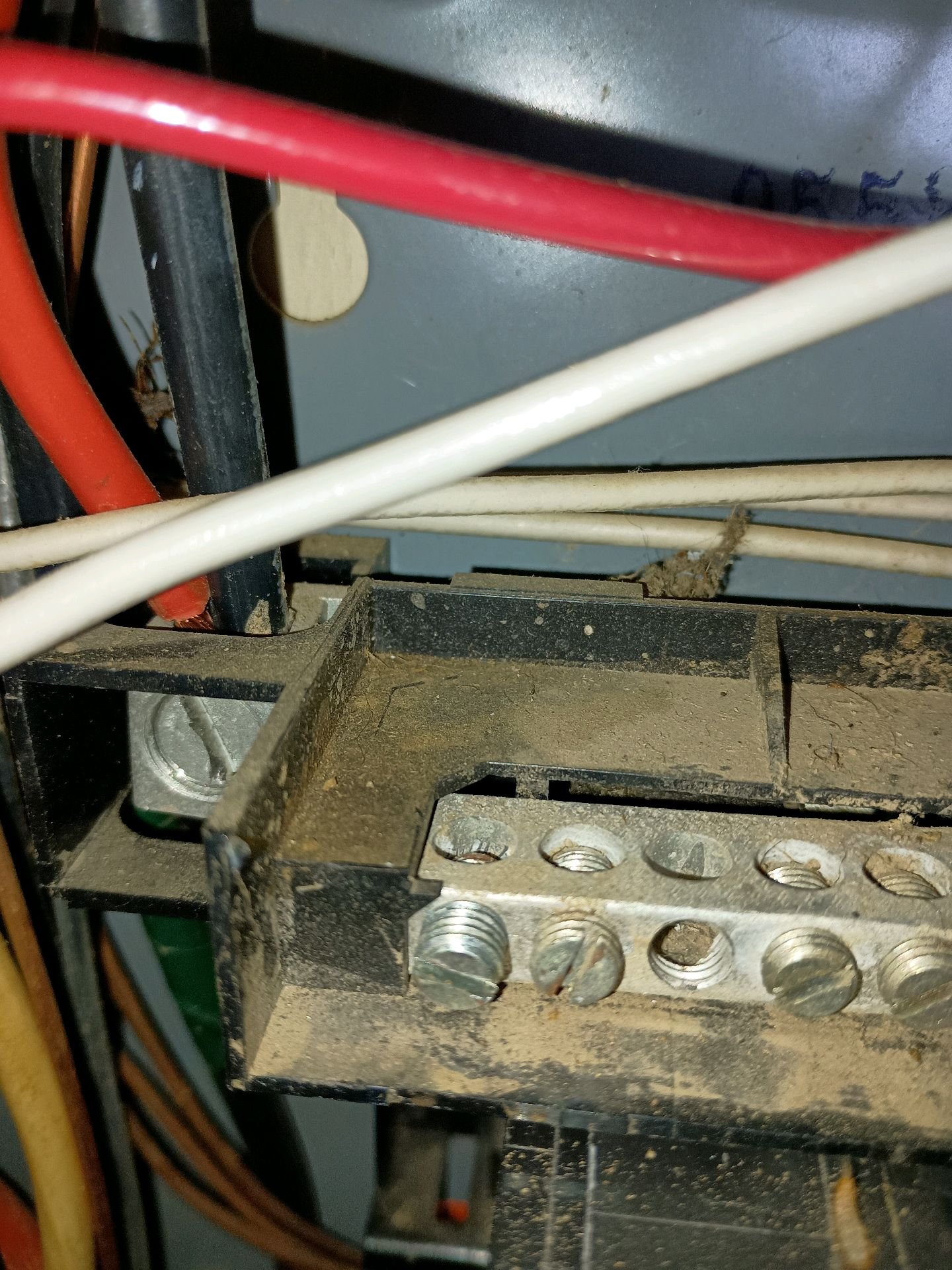
Improper Wiring in a garage sub-panel
Electrical Work: From rewiring outlets to replacing circuit breakers, electrical projects carry the risk of fire and electrocution. Licensed electricians are trained to handle these dangers safely and ensure your home is up to code. Yes there is an exemption in the WV laws that permit homeowners to do their own electrical work, however it must be completed correctly and anything over $2,500 parts and/or labor you must have a contractors license. Read : “Dangers of an Improper Electrical System”
Gas Line Repairs or Installations: Whether it’s fixing a leak or installing a gas appliance, mistakes can lead to deadly carbon monoxide leaks or explosions. Leave anything gas-related to certified professionals.
Roof Repairs or Replacement: Working on a roof is dangerous and often results in falls or injuries. Improper repairs can also cause leaks and structural damage, so it’s wise to call an experienced roofer.
Structural Changes: Tearing down walls or building additions without proper knowledge puts your home’s integrity at risk. Structural work should always be evaluated and completed by qualified licensed contractors.
Plumbing Overhauls: Major plumbing work—like relocating pipes or replacing main lines—requires expertise and the right tools. Incorrect installation can lead to costly water damage and mold issues.
HVAC Repairs: Heating and cooling systems are complex and often involve dealing with refrigerants and combustion gases. Certified HVAC technicians have the skills to repair and maintain these systems safely and efficiently.
Window and Door Replacements: Improperly installed windows and doors can compromise energy efficiency and home security. Professional installers ensure a proper fit and seal. I have seen first hand that some contractors cannot get this right.
Foundation Repairs: Foundation issues are complicated and require specialized knowledge and equipment. DIY fixes can make problems worse and decrease your home’s value.
Mold Remediation: Handling mold without proper containment and remediation techniques can spread spores throughout your home and expose you to health risks. Certified mold specialists are equipped for safe and thorough removal.
Tree Removal Near Structures: Cutting down large trees—especially those close to your house—can result in property damage or personal injury if not done correctly. Arborists have the tools and expertise to remove trees safely.
While DIY projects can be rewarding, knowing your limits is essential. For these ten home maintenance tasks, trusting a licensed professional not only protects your safety but also preserves your home’s value and longevity. When in doubt, always consult a qualified expert—you’ll save time, money, and a lot of headaches in the long run.
