Top 5 Electrical Issues Found During 2026 Home Inspections
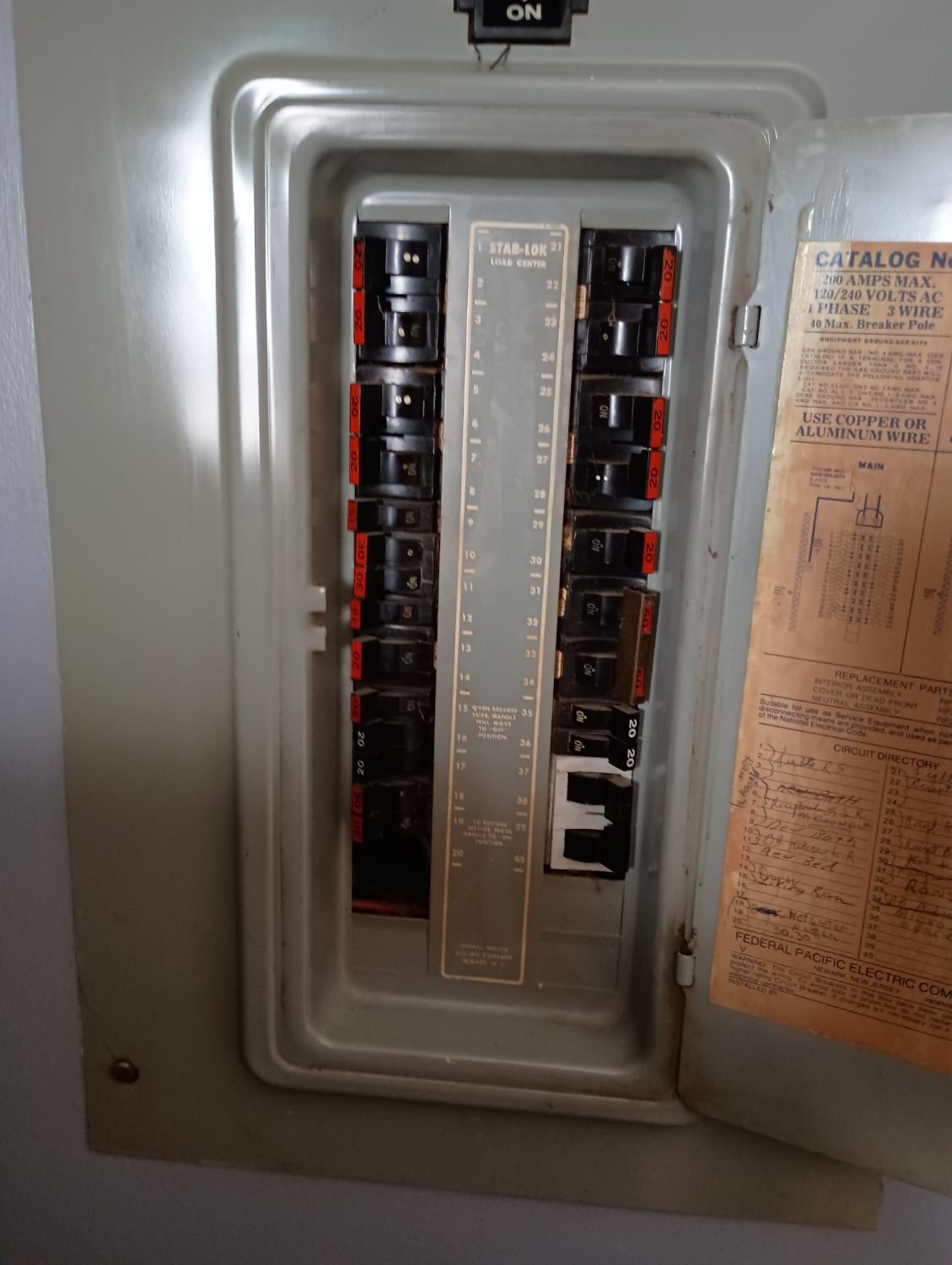
Federal Pacific (FPE) Stab-Lok, older Zinsco, and some Pushmatic panels are no longer UL-listed or considered acceptable for new use due to breakers that may fail to trip, raising fire and shock risk. If you have one, have a licensed electrician replace it. Ask them to:
Verify service capacity and install a properly sized, code-compliant panel and breakers.
Inspect and repair damaged conductors, improper connections, and grounding/bonding issues.
Provide documentation of the new panel make/model and required permits/inspections.
Do not attempt DIY fixes or continue using these panels; arrange professional replacement promptly.
Electrical defects remain some of the most important findings in a home inspection because even small-looking problems can point to shock hazards, fire risks, or costly repairs. In 2026, many of the most common concerns I continue to see involve service equipment, safety protection, and defects that suggest past repairs were done improperly. Here are the five issues that stand out most often and why they deserve attention.
1. Damaged Electrical Panels
A damaged electrical panel is never a minor cosmetic issue. Bent covers, corrosion, evidence of overheating, damaged breakers, or signs of arcing can all indicate a system that may not protect the home properly during an overload or fault. In many ways, this is a reminder that important work should be handled with care and skill. As Proverbs 22:29 teaches, skill in one’s work matters, and a panel that shows visible damage often points to workmanship or conditions that need prompt correction by a licensed electrician.
2. Improper Screws Securing the Panel Cover
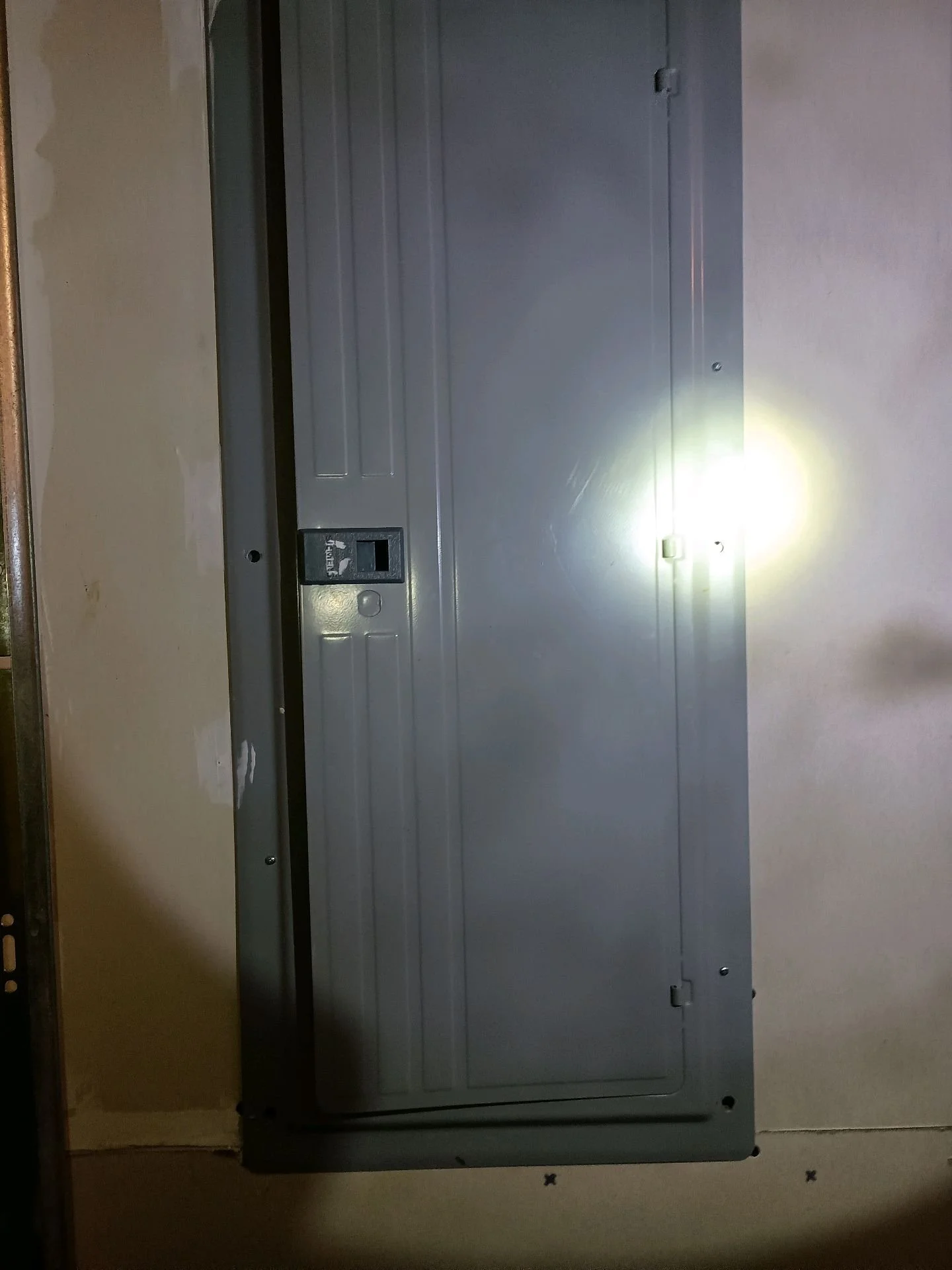
Improper screws in an electrical panel cover are a safety and code hazard. Wrong types—drywall screws, damaged sheet‑metal screws, or overly long screws—can strip threads, crack insulation, or hit internal parts, risking arcing, shorts, or damage. Use the manufacturer‑specified machine screws or captive fasteners to ensure grounding and protection. Replace incorrect fasteners and have a qualified electrician verify and repair the panel.
Using the wrong screws to secure a panel cover is a surprisingly common defect. Sharp-pointed or improper screws can penetrate or damage conductors inside the panel, creating a hidden hazard that is easy to miss. This kind of shortcut is a good example of why details matter. Colossians 3:23 encourages us to do our work wholeheartedly, and in electrical work that means using the proper components and methods rather than taking small shortcuts that can create larger safety risks.
3. Panels Painted Without Properly Listed Paint
Electrical panels are sometimes painted during remodeling, but not all paint applications are acceptable. If a panel has been coated with paint that is not appropriate for that use, it can interfere with labeling, conceal corrosion or damage, and raise questions about whether the equipment has been altered improperly. Proverbs 11:1 speaks to honesty and right standards, and that principle fits here as well: work should be done in a way that is proper, transparent, and true to its intended purpose, not covered in a way that hides important information or creates doubt about the condition of the equipment.
4. Overhead Service Entry Lines with Inadequate Clearance
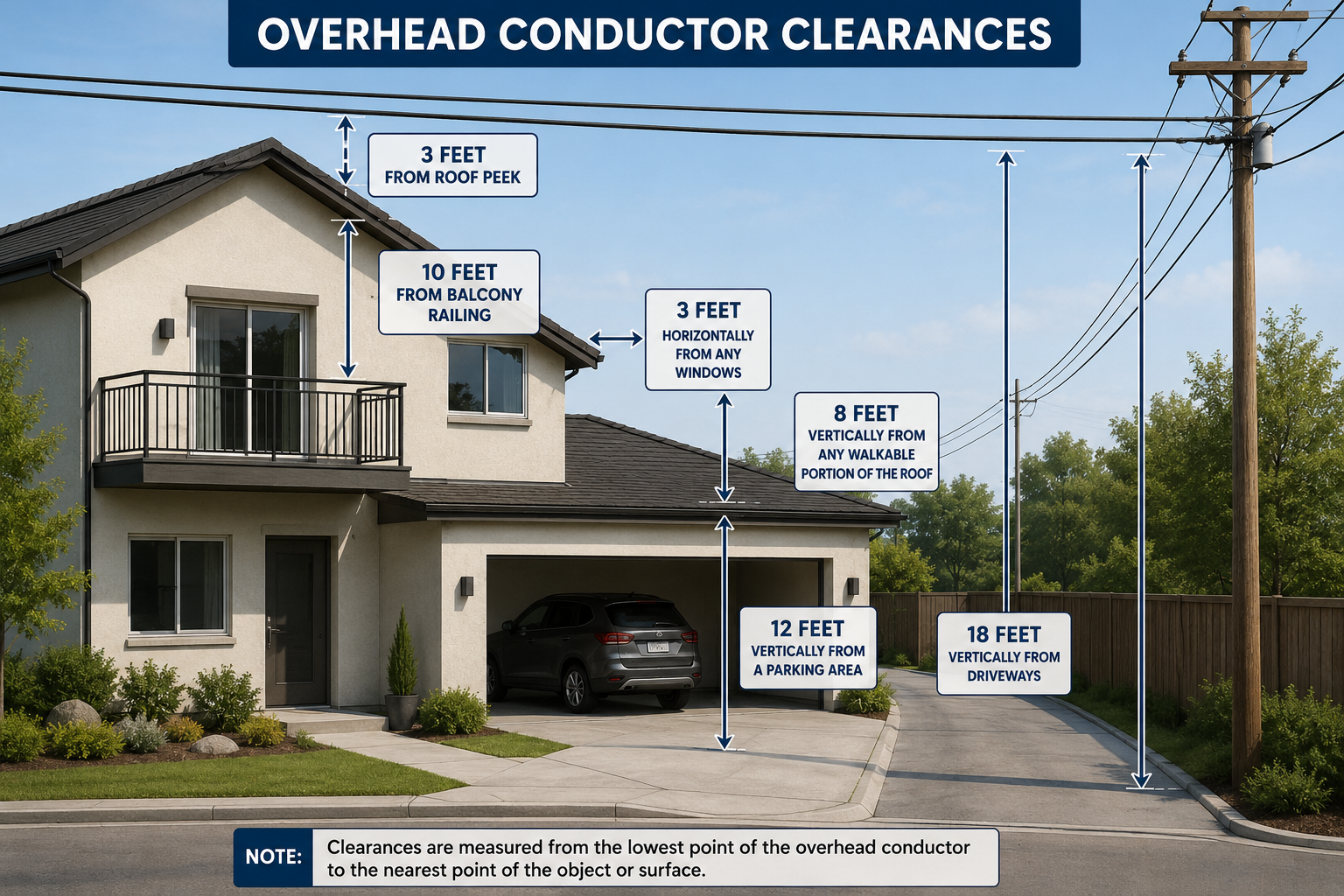
Overhead service entry conductors that hang too low or pass too close to windows, doors, decks, or other accessible areas are a serious concern. Clearance rules exist to reduce the risk of accidental contact and to protect the service from physical damage. First Corinthians 14:40 reminds us that things should be done decently and in order, and proper clearances reflect that same principle. When these lines are installed without the right spacing, the result is not just poor workmanship but a real safety hazard that should be corrected promptly.
5. Missing or Improper GFCI Protection
Ground-fault circuit-interrupter protection is one of the most important electrical safety features in modern homes, yet missing or improper protection remains one of the most frequent inspection findings. Kitchens, bathrooms, garages, exterior receptacles, laundry areas, and other locations near moisture typically require this type of protection. Ecclesiastes 9:10 says that whatever our hand finds to do, we should do it with all our might, and that mindset applies well to electrical safety. Installing proper GFCI protection is one of the clearest examples of doing the job correctly to help protect people from preventable shock hazards.
Why These Findings Matter
The biggest takeaway for buyers and homeowners is that electrical defects rarely improve with time. Small issues can hide larger problems, and seemingly minor defects can carry major safety implications. A clear inspection report should explain not only what was observed, but why it matters and when a licensed electrician should be brought in for further review or repair. For peace of mind before buying, selling, or maintaining a home, schedule a home inspection with a certified home inspector who can identify safety concerns and help you make informed decisions.
Ready to schedule your home inspection or verify an inspector's credentials? Use the links below to find a qualified West Virginia home inspector or to check electrical and home inspector licensing with the WV Fire Marshal.
Find a home inspector — West Virginia Association of Home Inspectors:
WV Fire Marshal — Electrical Inspectors:
WV Fire Marshal — Home Inspectors:
A & J Home Inspections, LLC — Dangers of an Improper Electrical System
Need assistance choosing the right service or want to book with A & J Home Inspections, LLC? Contact us and we’ll help you through the next steps.
